Department: Cataract & Cornea
Cataract Surgery Is a Beginning, Not Something to Fear
Being told that you need cataract surgery can bring many questions. Will the surgery hurt? What tests will I need? Can I eat normally? Should I stop my medicines? What if I have diabetes or high blood pressure? When can I return to my normal activities?
These are natural concerns.
Cataract surgery is one of the most commonly performed eye procedures, but every patient has a different medical history, eye condition and visual requirement. Good preparation can help make the surgical journey smoother and safer.
This guide explains what patients should generally know before cataract surgery.
Important: Your ophthalmologist's instructions should always take priority over general information in this article. Do not stop or change any prescribed medicine unless your doctor specifically advises you to do so.
What Is a Cataract?
A cataract occurs when the natural lens inside the eye becomes cloudy.
A healthy eye has a clear lens that helps focus light onto the retina. As the lens becomes cloudy, vision can gradually become blurred or hazy.
Patients may experience:
- Blurred or cloudy vision
- Difficulty seeing in low light
- Glare around lights
- Difficulty driving, particularly at night
- Faded or less vivid colours
- Frequent changes in spectacle prescription
- Difficulty reading or performing routine activities
Cataracts usually develop gradually, which means patients may not immediately realise how much their vision has changed.
When Is Cataract Surgery Recommended?
Not every cataract needs immediate surgery. The decision is generally based on how much the cataract is affecting your vision and your daily life, along with the ophthalmologist's examination.
You may need to consider surgery when cataract-related vision problems begin interfering with activities such as:
- Reading
- Working
- Walking safely
- Cooking
- Watching television
- Recognising faces
- Using a computer or mobile phone
- Driving
- Managing daily activities independently
Your ophthalmologist will examine your eyes and discuss whether surgery is appropriate.
Remember:
You do not have to wait until you completely lose your vision before discussing cataract surgery.
Your Pre-Surgery Eye Examination
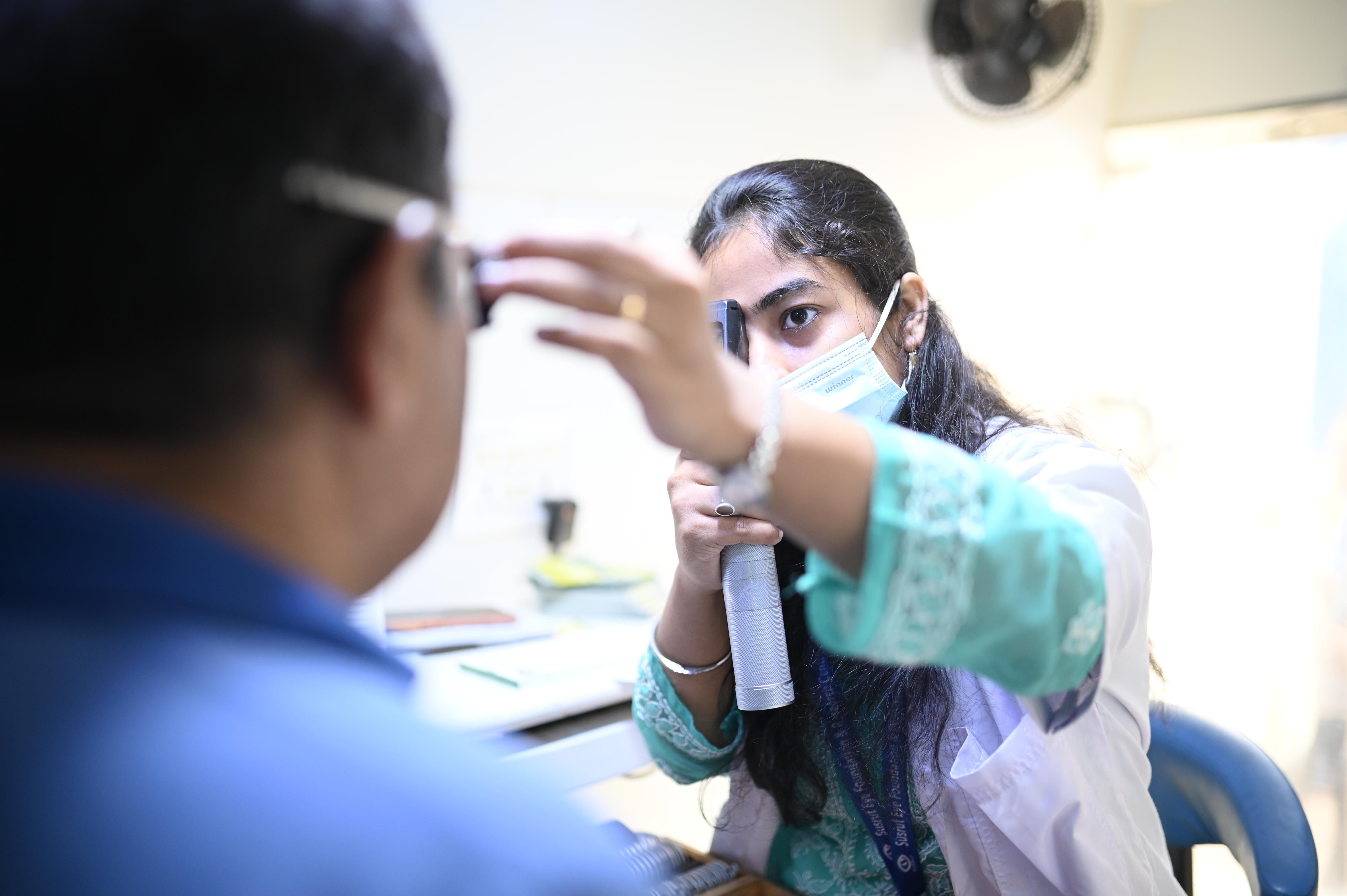
Before cataract surgery, your ophthalmologist will assess your eyes carefully.
The exact tests depend on your individual condition, but your evaluation may include:
1. Vision Assessment
Your visual acuity is checked to understand how clearly you can see.
2. Detailed Eye Examination
The doctor examines the eye to assess the cataract and look for other eye conditions that could affect vision or surgery.
3. Eye Measurements
Measurements of the eye are important for planning the appropriate intraocular lens (IOL).
4. Additional Diagnostic Tests
Depending on your condition, your doctor may recommend additional investigations to evaluate the cornea, retina, optic nerve or other structures of the eye.
Do not worry if you are asked to undergo tests that someone you know did not have. Cataract surgery planning is individualised.
Tell Your Doctor About Your Health
Your eye surgeon should know about your overall health—not just your cataract. Inform your doctor if you have:
- Diabetes
- High or low blood pressure
- Heart disease
- Kidney disease
- Asthma or respiratory problems
- Previous eye surgery
- Glaucoma
- Retinal disease
- Drug allergies
- Any other significant medical condition
Also provide a complete list of your medicines and supplements.
Why is this important?
Your general health and medications may influence how your surgery and recovery are planned.
What If You Have Diabetes?
Diabetes deserves particular attention before cataract surgery. Blood glucose control can be important for surgical safety and recovery. Diabetes can also affect other parts of the eye, including the retina.
Your ophthalmologist may therefore recommend additional evaluation depending on your condition.
If you have diabetes: Do not hide it from your eye doctor.
And do not independently change your diabetes medicines simply because you are having eye surgery. Your eye-care and medical teams can advise you on what to do.
What About Blood Pressure?
If you have hypertension, inform your doctor.
Your medical team may assess your blood pressure and overall health before surgery and advise you about continuing your regular medicines.
Again, never stop blood-pressure medication on your own.
Should You Stop Your Regular Medicines?
This is one of the most important questions to ask.
Some patients assume they should stop all medicines before surgery. That is not necessarily correct.
Whether a medicine should be continued, adjusted or temporarily stopped depends on:
- The medicine
- Your medical condition
- The type of surgery
- Your surgeon's instructions
- Your physician's advice
The safest rule:
Do not make medication changes without medical advice.
What Should You Eat Before Cataract Surgery?
For many cataract procedures performed under local/topical anaesthesia, patients may not need a prolonged fasting period.
However, your hospital may give you specific instructions depending on the planned procedure, anaesthesia and your medical conditions.
If you have diabetes, fasting instructions may require particular attention.
So instead of following advice from friends or relatives, ask your surgical team:
"What should I eat and drink on the day of surgery?"
What Should You Bring to the Hospital?
Prepare your essentials in advance.
You may want to carry:
- Previous eye reports
- Current prescription
- List of medicines
- Relevant medical records
- Identification and hospital documents
- Prescribed spectacles
- Any documents provided by the hospital
It is also helpful to have a family member or companion accompany you if your hospital recommends it.
Questions You Should Ask Your Eye Surgeon
Never hesitate to ask questions.
Before surgery, you may want to ask:
- Why do I need cataract surgery now?
- Are there any other eye conditions affecting my vision?
- What type of IOL is being considered for me?
- What tests do I need before surgery?
- What medicines or eye drops should I use?
- Do I need any special instructions because I have diabetes or hypertension?
- What should I expect immediately after surgery?
- When will my follow-up appointment be?
- When can I return to my normal activities?
- What symptoms should make me contact the hospital immediately?
An informed patient is an empowered patient.
Prepare Your Home for Recovery
A little preparation can make the first few days easier. Before surgery:
- Keep your frequently used belongings easily accessible.
- Arrange transportation if required.
- Organise someone to accompany you if recommended.
- Keep your prescribed eye drops ready.
- Follow the hospital's instructions regarding bathing, medicines and food.
- Avoid making important decisions based on advice from non-medical sources.
One More Important Thing: Have Realistic Expectations
Cataract surgery removes the cloudy natural lens and replaces it with an artificial intraocular lens.
However, the final visual result can also depend on the health of other parts of the eye , such as the retina, cornea and optic nerve.
Conditions such as glaucoma, diabetic retinopathy, macular disease or corneal problems may also affect vision.
That is why a detailed eye examination before surgery is so important.
Your Cataract Surgery Checklist
Before leaving home:
- Follow your hospital's instructions
- Take medicines only as advised
- Carry your medical reports
- Carry your current medication list
- Bring your hospital documents
- Arrange transportation/companion if required
- Wear comfortable clothing
- Ask if you have any last-minute doubts
The Most Important Preparation Is Information
Cataract surgery is not simply a procedure. It is a journey that begins with understanding your eye condition, discussing your options with your ophthalmologist and preparing appropriately for surgery and recovery.
Ask questions. Follow medical advice. And don't compare your surgical plan with someone else's.
Your eyes—and your health—are uniquely yours.
Ready for the next step?
If you have been diagnosed with cataract or are experiencing gradually worsening vision, speak to an ophthalmologist for a comprehensive evaluation.
Clearer understanding is the first step towards better eye care.