Pledge Your Eyes
CATARACT CARE

Cataract Surgery in Kolkata

Clearer Vision. Expert Care. A Better Quality of Life.

Cataract is one of the most common causes of progressive vision loss. It occurs when the eye's natural lens becomes cloudy, making everyday activities such as reading, recognising faces, travelling or driving at night increasingly difficult.

Cataract is treatable. When cataract begins affecting your vision and quality of life, an ophthalmologist can evaluate your eyes and determine whether surgery is appropriate.

At Susrut Eye Foundation & Research Centre, patients have access to specialist ophthalmic care, modern diagnostic facilities and cataract surgery and intraocular lens options based on their individual clinical needs.

banner
Specialist Ophthalmic Care
Modern Surgical Techniques
Multiple IOL Options
Comprehensive Eye Care
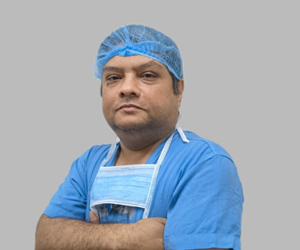
Dr. Arindam Deb
Medically Reviewed

Dr. Arindam Deb

Cataract & Anterior Segment

Reviewed by a qualified ophthalmologist
Reviewed by Dr. Arindam Deb
Speciality Cataract & Anterior Segment
Reg. No. 58096 (WBMC)

This page provides general information about cataracts and cataract surgery. Individual treatment decisions should be made after consultation with a qualified ophthalmologist.

Understanding Cataracts

What Is a Cataract?

A cataract develops when the normally clear natural lens inside the eye becomes cloudy.

The lens normally focuses light onto the retina to help produce a clear image. As it becomes cloudy, vision can gradually become blurred, hazy or less colourful.

Cataracts may develop due to several factors Ageing is common, but it is not the only cause.
Diabetes
Eye injury or trauma
Long-term steroid use
Genetic or congenital factors
Certain other medical conditions
THE HEALTHY EYE
Clear Natural Lens Normally allows light to pass clearly to the retina.
Cataract Clouding of the natural lens
Cataract Awareness

Cataract Symptoms

Cataracts usually develop gradually. Recognising the early symptoms can help you seek an eye examination at the right time.

01

Blurred or Cloudy Vision

Objects may appear less sharp or clear, making everyday activities increasingly difficult.

02

Difficulty Seeing at Night

Driving or navigating in low-light conditions may become increasingly difficult.

03

Glare and Halos

Bright lights may appear uncomfortable, with glare or halos around light sources.

04

Faded Colours

Colours may appear dull, yellowish or less vibrant than they normally do.

05

Frequent Changes in Spectacle Power

You may find that your glasses prescription needs to be changed more often.

06

Increasing Need for Brighter Light

Reading or other close-up activities may become easier only under brighter lighting.

Don't ignore changes in your vision

Experiencing these symptoms?

Book an eye examination with our specialist ophthalmic team.

Book an Eye Examination
Understanding Cataracts

What Causes Cataracts?

Cataracts can develop for several reasons. Ageing is the most common factor, but certain health conditions, medications and previous eye problems may also increase the risk.

01

Ageing

Changes in the proteins within the natural lens can gradually cause clouding.

02

Diabetes

People with diabetes may have an increased risk of developing cataracts.

03

Eye Injury

Previous trauma or injury to the eye can contribute to cataract formation.

04

Steroid Use

Long-term use of certain steroid medications can increase cataract risk.

05

Genetic Factors

Some people may have a greater tendency to develop cataracts because of their family history.

06

Previous Eye Conditions or Surgery

Certain ocular conditions or previous procedures may contribute to secondary cataract formation.

Cataract Surgery

When Should You Consider Cataract Surgery?

A cataract does not necessarily need to be removed as soon as it is diagnosed. The decision to undergo surgery is generally based on how much the cataract is affecting your vision and your everyday life.

Surgery may be worth discussing when vision starts affecting daily life.

You may want to discuss cataract surgery with an ophthalmologist if cataract is making it difficult to:

01

Read comfortably

Difficulty reading books, newspapers or screens despite appropriate glasses.

02

Recognise faces

Trouble recognising people or seeing facial details clearly.

03

Work comfortably

Reduced vision interfering with professional or occupational activities.

04

Travel independently

Difficulty navigating familiar or unfamiliar places independently.

05

Drive safely at night

Increased difficulty with night driving, glare or low-light conditions.

06

Enjoy your usual lifestyle

Vision problems preventing you from enjoying activities you normally do.

Important Medical Information

Every patient's decision is different.

The severity of a cataract and its impact on daily activities can vary from person to person. A detailed eye examination helps determine the most appropriate treatment approach.

Important

The decision to undergo cataract surgery should be made after a comprehensive eye examination and discussion with your ophthalmologist.

Book a Cataract Consultation
Cataract Treatment

Cataract Surgery at Susrut

Removing the Clouded Lens and Replacing It With an Intraocular Lens

Cataract surgery involves removing the cloudy natural lens and replacing it with an artificial intraocular lens (IOL).

Susrut's cataract services include modern cataract surgery options, with the surgical approach and lens selection considered according to each patient's individual clinical needs.

01
Commonly Used Technique

Phacoemulsification

A commonly used, small-incision cataract surgery technique in which the cloudy lens is removed and replaced with an intraocular lens (IOL).

Small-incision technique IOL implantation
Need help choosing the right treatment? Discuss your cataract treatment options with our ophthalmology team.
Book a Cataract Consultation
Intraocular Lens Options

Choosing the Right Lens
for Your Vision

The most suitable IOL is not the same for every patient. Your ophthalmologist will recommend an option based on your eye measurements, ocular health, lifestyle and visual expectations.

01

Monofocal IOLs

Designed primarily to provide clear vision at a selected distance.

Selected-distance vision
03

EDOF IOLs

Extended Depth of Focus lenses are designed to provide an extended range of functional vision.

Extended range of vision
04

Toric IOLs

Designed for patients with astigmatism when clinically appropriate.

Astigmatism correction
Your lens choice is personalised.

Your ophthalmologist will assess your eye health, measurements, lifestyle and visual expectations before recommending the most appropriate IOL option.

Need help choosing an IOL?

Discuss Your IOL Options With a Susrut Ophthalmologist

Discuss Your Options
Before Your Surgery

What Happens Before
Cataract Surgery?

A thorough eye examination is an important part of planning cataract surgery. Your ophthalmologist will assess your eyes and overall clinical needs before recommending the appropriate treatment.

Surgical Assessment

Your Eye Examination

Your ophthalmologist may assess the following factors to help plan your cataract surgery and determine the appropriate IOL.

Visual Acuity

Assessment of how clearly you can see.

Overall Eye Health

Examination of the overall condition of your eyes.

Cataract Severity

Evaluation of the extent and effect of the cataract on your vision.

Corneal Measurements

Measurements that may be required for surgical planning.

Biometry & IOL Requirements

Eye measurements help determine the appropriate IOL requirements.

Other Eye Conditions

Identification of other conditions that may affect treatment planning.

Medical Conditions & Medications

Relevant medical conditions and medicines may also be reviewed.

02
Preparation

Before Your
Procedure

Discuss your medications

Tell your doctor about all medicines you are taking.

Follow instructions about contact lenses

If you wear contact lenses, your doctor may advise you to stop wearing them for a specified period before measurements or surgery.

Arrange transportation

Plan for someone to accompany you home if advised.

Avoid eye cosmetics around surgery

Follow the hospital's instructions regarding cosmetics, creams and lotions around the eyes.

Your preparation may vary.

Follow the specific instructions provided by your ophthalmologist and the Susrut surgical team before your procedure.

DURING THE PROCEDURE

What Happens During Cataract Surgery?

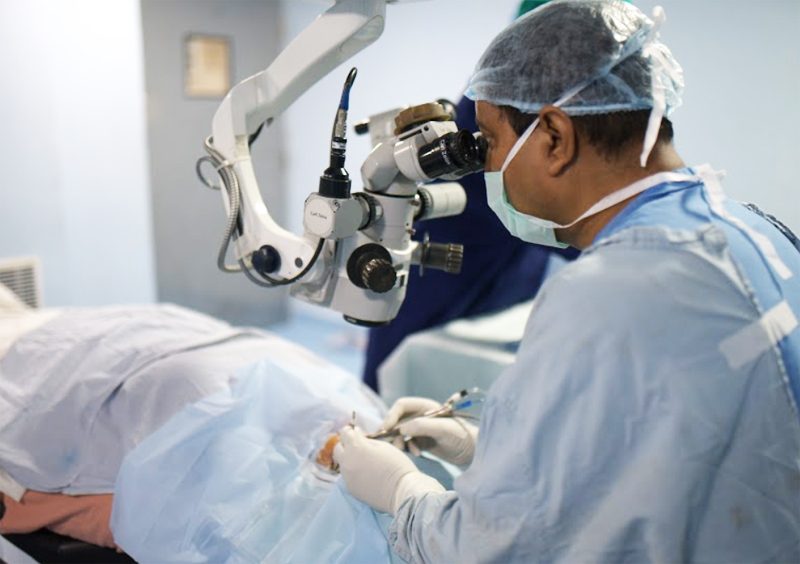
Cataract surgery is generally performed as an outpatient/day-care procedure. The cloudy natural lens is removed and an artificial intraocular lens is placed inside the eye.

The actual surgical procedure is relatively short, although the complete hospital visit—including preparation, surgery and post-operative observation—takes longer. The exact duration varies depending on the patient, procedure and clinical circumstances.

01
STEP 01

Preparation

Your eye is prepared for the procedure and the surgical team completes the necessary pre-operative checks.

02
STEP 02

Cataract Removal

The cloudy natural lens is carefully removed using the surgical technique selected for your clinical needs.

03
STEP 03

IOL Placement

An artificial intraocular lens (IOL) is placed inside the eye to replace the cloudy natural lens.

Every cataract procedure is individually planned. Your ophthalmologist will recommend the appropriate surgical approach based on your eye health, measurements and clinical needs.

AFTER YOUR PROCEDURE

Recovery After Cataract Surgery

Recovery varies between individuals. After surgery, your ophthalmologist will provide instructions to help protect your eye and support a smooth recovery.

POST-OPERATIVE CARE

Follow Your Doctor's Instructions

Eye Drops & Medicines

Use prescribed eye drops and medicines exactly as directed by your ophthalmologist.

Eye Protection

Follow your doctor's advice regarding protection of the operated eye.

Physical Activity

Follow the recommended restrictions on physical activity during your recovery.

Eye Hygiene

Maintain appropriate eye hygiene according to the instructions provided by your care team.

Follow-Up Appointments

Attend all scheduled follow-up appointments so your recovery can be monitored.

Resuming Activities

Ask your ophthalmologist when it is appropriate to resume specific daily activities.

IMPORTANT

When Should You Contact Your Eye Doctor?

Contact your eye-care team promptly if you experience any of the following symptoms:

  • Significant or increasing pain
  • Increasing redness
  • Marked sensitivity to light
  • Discharge or excessive watering
  • Sudden or significant deterioration of vision
Do not skip scheduled follow-up appointments.
LONG-TERM OUTCOME

Is Cataract Surgery Permanent?

Cataract surgery removes the cloudy natural lens and replaces it with an artificial intraocular lens designed to remain in the eye for the long term.

LONG-TERM RESULT

Yes, the removed cataract does not grow back.

The cloudy natural lens that is removed during cataract surgery does not grow back.

The artificial intraocular lens (IOL) is designed to remain inside the eye for the long term.

The artificial lens is designed for long-term placement inside the eye.
AFTER CATARACT SURGERY

What is PCO?

Some patients can develop posterior capsule opacification (PCO) after cataract surgery.

PCO is sometimes called a "secondary cataract", although it is not a recurrence of the original cataract.

TREATMENT OPTION

YAG Laser Capsulotomy

PCO can often be treated with a laser procedure called YAG laser capsulotomy.

If vision becomes blurred again after cataract surgery, consult your ophthalmologist for an examination to determine the cause and appropriate treatment.

Eye 01
Eye 02
Treatment timing is decided individually by your ophthalmologist.
Cataract Treatment

Can Cataract Surgery Be Done Simultaneously in Both Eyes?

If cataracts are present in both eyes, your ophthalmologist will advise you about the appropriate treatment sequence.

In many cases, the eyes are treated separately, with the timing of the second procedure determined by the surgeon and the patient's clinical circumstances.

Whether same-day bilateral surgery is appropriate depends on individual factors and the treating ophthalmologist's recommendation.

Your treatment plan is individualised

The decision about when and how both eyes should be treated should be made after a comprehensive examination and discussion with your ophthalmologist.

Patient-focused care
Patient Safety

Is Cataract Surgery Safe?

Cataract surgery is a commonly performed ophthalmic procedure, but like every surgery, it has potential risks and complications.

Your ophthalmologist should explain the benefits, limitations and risks relevant to your individual eye condition before you consent to surgery.

Your safety comes first

A comprehensive assessment and discussion with your ophthalmologist helps determine whether cataract surgery is appropriate for you.

WHY SUSRUT

Why Choose Susrut for Cataract Care?

Cataract care at Susrut combines specialist ophthalmic expertise, modern surgical techniques and personalised treatment planning.

01

Specialist Ophthalmic Care

Patients can access ophthalmologists with expertise in cataract and related ophthalmic subspecialties.

02

Modern Surgical Options

Cataract surgery options include phacoemulsification and, for appropriate patients, femtosecond laser-assisted surgery.

03

IOL Options

Different IOL technologies can be considered according to individual clinical requirements and visual goals.

04

Comprehensive Eye Care

Patients can be evaluated for other ocular conditions that may affect vision and treatment outcomes.

Have questions about cataract surgery? Speak with a Susrut ophthalmologist.
Book a Cataract Consultation
OUR SPECIALISTS

Meet Our Cataract Specialists

Our cataract care is supported by experienced ophthalmologists with expertise in cataract surgery and related anterior segment conditions.

Dr. Amit Budrukkar

Dr. Amit Budrukkar

Cataract & Cornea, Glaucoma Care

Reg. No.: 77461 (WBMC)

Berhampore

Dr. Anwesha Manna

Dr. Anwesha Manna

Pediatric & Squint, Cataract & Cornea

Reg. No.: 67273 (WBMC)

Berhampore

Dr. Diptesh Das

Dr. Diptesh Das

Cataract & Cornea, Lasik & Refractive

Reg. No.: 64686 (WBMC)

Berhampore, Saltlake

Dr. Kousik Sarkar

Dr. Kousik Sarkar

Cataract & Cornea

Reg. No.: 67279 (WBMC)

Berhampore

Dr. Madhusudan Mandal

Dr. Madhusudan Mandal

Cataract & Cornea

Reg. No.: 66560 (WBMC)

Berhampore

Dr. Rajarshi Chowdhury

Dr. Rajarshi Chowdhury

Cataract & Cornea

Reg. No.: 85827 (WBMC)

Berhampore

PATIENT STORIES

Cataract Care at Susrut: Patient Stories

Every cataract journey is different. Here are a few examples of how patients approached their vision concerns and cataract care at Susrut.

Dr. Sanghamitra Ghosh

Dr. Sanghamitra Ghosh

Kolkata, West bengal

A CLEARER VISION. A LIFE RECLAIMED.

"Sometimes, restoring sight means giving someone back the life they love."

At 61, Dr. Sanghamitra Ghosh had recently retired after years of dedicated work as a Consultant at B.N. Chakraborty Eye Centre.
Retirement was supposed to be a new beginning—a time to slow down, enjoy her family and finally spend more time doing the things she loved.

Mrinal Kanti Ghosh

Mrinal Kanti Ghosh

Kolkata, West bengal

At 75, Mrinal Kanti Ghosh Got His Retirement Back

A cataract took his independence quietly, one blurred edge at a time. A single surgery gave it back.

Mr. Mrinal Kanti Ghosh spent his working life earning a retirement he could finally enjoy. At 75, living in Salt Lake, Kolkata, he had exactly that — until his vision started slipping away from him.

Banabani Banerjee

Banabani Banerjee

Kolkata, West bengal

She Didn’t Just Get Her Vision Back. She Got Her Independence Back.

“She had spent a lifetime caring for others. Today, with clearer vision, she can finally spend her days enjoying life for herself.”

At 75, Banabani Banerjee had hoped that retirement would bring her time to enjoy life at her own pace.
But cataracts gradually began to change her everyday life.

Patient experiences can vary depending on individual eye health, cataract severity and other clinical factors. Treatment decisions should always be made following consultation with an ophthalmologist.

Concerned about changes in your vision? Schedule a comprehensive cataract evaluation.
Book a Consultation
Common Questions

Cataract Surgery FAQs

Answers to some of the most common questions about cataracts, cataract surgery and recovery.

There is no medicine that removes an established cataract. When cataract significantly affects vision and daily activities, surgery is the definitive treatment.

Cataracts typically develop gradually and do not usually cause pain. However, reduced or distorted vision can significantly interfere with daily life.

The original cataract cannot grow back because the cloudy natural lens has been removed. However, clouding of the capsule behind the IOL can occur in some patients and may be treated with YAG laser capsulotomy.

Modern IOLs are designed to remain in the eye for the long term and generally do not need routine replacement.

That depends on the IOL selected, your eye condition and your visual requirements. Some IOLs are designed to reduce dependence on glasses, but spectacle independence cannot be guaranteed for every patient.

Diabetes does not automatically prevent cataract surgery. However, diabetes can affect the eye and healing, so your overall health and retinal status should be assessed by your ophthalmologist before surgery.

Still have questions about cataract surgery?

Speak with a Susrut ophthalmologist to understand your treatment options.

Cataract Care at Susrut

Take the First Step Towards Clearer Vision

If cataract is affecting your vision or daily activities, speak with an ophthalmologist and find out whether cataract surgery may be appropriate for you.