Pledge Your Eyes
Glaucoma Care

Glaucoma Treatment in Kolkata

Protect Your Vision with Early Detection and Specialist Care

Glaucoma is a group of eye diseases that can damage the optic nerve and cause irreversible vision loss. It often develops gradually, and many people may have no noticeable symptoms in the early stages.

Early diagnosis and appropriate treatment can help control glaucoma and reduce the risk of further vision loss.

At Susrut Eye Foundation & Research Centre, glaucoma evaluation includes clinical examination and specialised diagnostic tests to assess eye pressure, the optic nerve, visual field and other factors relevant to glaucoma.

Our ophthalmologists develop treatment plans according to the type and stage of glaucoma and the individual patient's needs.

Optic Nerve Vision pathway
Eye Pressure Important glaucoma factor
Early Detection Comprehensive Evaluation
Specialist Glaucoma Care Specialist-led evaluation
Advanced Diagnostic Testing Detailed glaucoma assessment
Laser & Surgical Treatment Options Based on individual needs
Long-term Follow-up Ongoing glaucoma monitoring
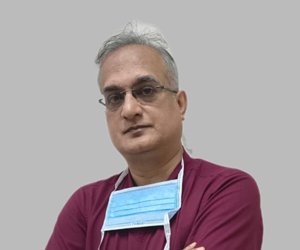
Dr. Niloy Majumder
Medically Reviewed

Dr. Nilay
Kumar Majumdar

Glaucoma

Reviewed by a qualified ophthalmologist
Reviewed By Dr. Nilay Kumar Majumdar
Speciality Glaucoma Care, Cataract & Cornea
Reg. No. 48599 (WBMC)

This page provides general educational information about glaucoma. Diagnosis and treatment should be determined after a comprehensive examination by a qualified ophthalmologist.

Understanding Glaucoma

What Is Glaucoma?

Glaucoma is a group of eye diseases that damage the optic nerve, which carries visual information from the eye to the brain.

In many forms of glaucoma, increased intraocular pressure (IOP) is an important risk factor. However, glaucoma can also occur even when eye pressure is within the statistically normal range.

If glaucoma progresses without appropriate management, it can cause permanent loss of vision.

The disease often begins by affecting peripheral (side) vision, while central vision may remain relatively unaffected in the early stages.

Glaucoma can affect vision gradually Early detection matters
Important Patient Message

Vision lost because of glaucoma cannot generally be restored. Early detection and appropriate management are therefore important.

GLAUCOMA Silent progression
Understanding Glaucoma

Why Is Glaucoma Called the "Silent Thief of Sight"?

Glaucoma is often called the "silent thief of sight" because some forms can progress without noticeable symptoms during the early stages.

A person may feel that their vision is normal while damage is gradually occurring to the optic nerve.

By the time noticeable visual field loss develops, some permanent damage may already have occurred.

That is why people who have glaucoma risk factors should discuss appropriate screening with an eye specialist.

Don't wait for symptoms Talk to an eye specialist about appropriate glaucoma screening.
Know Your Risk

Who Is at Risk of Glaucoma?

You may have a higher risk of glaucoma if you have one or more of the following risk factors.

01

Age Over 40

The risk of glaucoma may increase as you get older, particularly after the age of 40.

02

Family History

Having a family history of glaucoma may increase your individual risk.

03

Diabetes

People with diabetes may have an increased risk of developing glaucoma.

04

Hypertension

High blood pressure and related systemic factors may be relevant when assessing glaucoma risk.

05

Systemic Conditions

Certain thyroid or other systemic conditions may be considered when assessing glaucoma risk.

06

Previous Eye Injury

A previous injury or trauma to the eye may contribute to glaucoma risk.

07

Steroid Exposure

Prolonged exposure to certain steroid medications may increase glaucoma risk.

08

High Eye Pressure

Increased intraocular pressure is an important risk factor for many forms of glaucoma.

09

Thin Corneas

Having thinner corneas can be an important consideration when assessing glaucoma risk.

Having a risk factor does not mean you have glaucoma.

It means that an eye specialist may recommend appropriate examination or monitoring based on your individual circumstances.

Signs & Symptoms

Glaucoma Symptoms

Understanding the possible signs of glaucoma can help you recognise when an eye examination may be appropriate.

Important to Know

Early Glaucoma May Have No Noticeable Symptoms

In its early stages, glaucoma may not cause noticeable symptoms. A person may feel that their vision is normal while damage to the optic nerve is gradually occurring.

01

Gradual Loss of Peripheral Vision

You may begin to lose part of your side vision without immediately recognising the change.

02

Blurred Vision

Vision may become blurred or less clear.

03

Difficulty in Dim Light

Some patients may experience difficulty adapting to low-light conditions.

04

Halos Around Lights

Coloured halos around lights can occur in some forms of glaucoma.

05

Eye Pain and Redness

These symptoms may occur in certain forms, particularly acute angle-closure glaucoma.

06
Urgent Medical Attention

Severe Headache, Nausea or Vomiting

These can accompany an acute rise in eye pressure and require urgent medical attention.

Don't wait for vision loss Regular eye examinations can help detect glaucoma before noticeable symptoms develop.
Book an Eye Examination
Important Emergency Information

Sudden Eye Pain or Sudden Vision Loss?

Seek urgent ophthalmic medical attention.

Sudden severe eye pain, marked redness, headache, nausea/vomiting or sudden deterioration in vision can occur in acute angle-closure glaucoma and should not be ignored.

Understanding Glaucoma

Types of Glaucoma

Glaucoma includes several different conditions. The type, severity and underlying cause help determine the most appropriate approach to evaluation and treatment.

01
Primary Glaucoma

Primary Open-Angle Glaucoma

The drainage angle remains open, but fluid drainage may become less efficient. This can contribute to increased eye pressure and progressive optic nerve damage.


02
Primary Glaucoma

Primary Angle-Closure Glaucoma

The drainage angle becomes narrowed or blocked, potentially causing a rapid rise in eye pressure. Acute angle closure can be an ophthalmic emergency.

Acute cases require urgent care
03
Secondary Glaucoma

Secondary Glaucoma

Glaucoma may develop as a consequence of another eye condition, injury, inflammation or certain medications, including steroids.

04
Normal-Tension Glaucoma

Normal-Tension Glaucoma

Optic nerve damage can occur even when measured intraocular pressure is not elevated.

05
Childhood Glaucoma

Congenital Glaucoma

This is a rare form associated with abnormal development of the eye's drainage system and may present during infancy or childhood.

06
Secondary Glaucoma

Pigmentary Glaucoma

Pigment released from structures within the eye can interfere with aqueous fluid drainage and contribute to elevated eye pressure.

The type of glaucoma matters.

A comprehensive eye examination helps an ophthalmologist determine the type and characteristics of glaucoma and guide appropriate management.

GLaucoma Assessment

How Is Glaucoma Diagnosed?

A Comprehensive Glaucoma Assessment

No single test should be viewed in isolation when evaluating glaucoma. The ophthalmologist considers the patient's medical and family history, clinical examination and relevant diagnostic findings.

At Susrut, glaucoma assessment may include:

01
Eye Pressure

Tonometry

Measures intraocular pressure (IOP).

02
Advanced Imaging

Optical Coherence Tomography (OCT)

Provides detailed imaging of structures including the optic nerve and retinal nerve fibre layers.

03
Vision Assessment

Visual Field Test

Assesses the patient's field of vision and can help identify functional changes associated with glaucoma.

04
Drainage Angle

Gonioscopy

Allows the ophthalmologist to examine the drainage angle of the eye and helps distinguish different types of glaucoma.

Patient-friendly message

A glaucoma diagnosis is based on the overall clinical picture—not simply on one eye-pressure reading.

GLaucoma Management

Glaucoma Treatment

Protecting remaining vision through appropriate, personalised glaucoma management.

Understanding Treatment

Can Glaucoma Be Cured?

Glaucoma-related optic nerve damage is generally irreversible. However, appropriate treatment can help control the disease and reduce the risk of further vision loss.

Treatment depends on factors such as the type and stage of glaucoma, intraocular pressure, optic nerve status, visual field, other eye conditions, overall health and previous treatment.

01
Medication

Glaucoma Eye Drops

Eye drops are commonly used to reduce intraocular pressure. Depending on the medication, they may reduce aqueous humour production or improve aqueous humour drainage.

Your ophthalmologist will determine which medication is appropriate and how frequently it should be used.

02
Laser Therapy

Laser Treatment for Glaucoma

Laser procedures may be recommended for selected patients depending on the type of glaucoma and clinical findings.

The purpose may include improving aqueous fluid drainage or reducing factors contributing to elevated eye pressure.

03
Minimally Invasive Surgery

Minimally Invasive Glaucoma Surgery

Minimally Invasive Glaucoma Surgery (MIGS) includes a group of surgical techniques designed to improve aqueous outflow and lower intraocular pressure.

MIGS may be appropriate for some patients but is not suitable for every type or stage of glaucoma.

04
Glaucoma Surgery

Trabeculectomy

Trabeculectomy is a glaucoma filtration surgery that creates an alternative pathway for aqueous fluid to leave the eye.

It can help lower intraocular pressure and may be considered when other approaches do not provide adequate pressure control.

05
Advanced Surgery

Glaucoma Drainage Devices

Glaucoma drainage devices, also known as tube shunts, may be used in selected advanced or difficult-to-control cases.

These devices can help lower intraocular pressure when other treatment approaches may not provide adequate control.

Important

Patients should not stop glaucoma medication without discussing it with their ophthalmologist.

PERSONALised CARE

Choosing the Right Glaucoma Treatment

There is no single treatment that is appropriate for every glaucoma patient. Your ophthalmologist will recommend an approach based on your individual condition, eye health and stage of disease.

01

Eye Drops

Medication may be prescribed to help reduce intraocular pressure.

02

Laser Treatment

Laser procedures may be recommended for selected patients depending on the type of glaucoma.

03

MIGS

Minimally invasive glaucoma surgery may be considered in appropriate clinical situations.

04

Trabeculectomy

A filtration procedure that may be considered when other approaches do not provide adequate pressure control.

05

Glaucoma Drainage Device

Tube shunts may be used in selected advanced or difficult-to-control cases.

PERSONALised TREATMENT

Treatment may involve one approach or a combination of treatments.

The objective is to achieve appropriate pressure control while considering the patient's overall eye health and disease stage.

LONG-TERM EYE CARE

Why Long-Term Glaucoma Follow-Up Matters

Glaucoma is usually a long-term condition requiring ongoing monitoring. Even when you feel that your vision is stable, glaucoma can continue to progress.

Regular follow-up matters

Scheduled examinations help your ophthalmologist assess changes over time and adjust treatment when necessary.

01

Eye Pressure

Monitor intraocular pressure and treatment response.

02

Optic Nerve Status

Assess the optic nerve for signs of structural change.

03

Visual Field

Check for functional changes in peripheral or side vision.

04

OCT Changes

Compare imaging findings over time when clinically appropriate.

05

Medication Issues

Review medication use, tolerance and potential issues.

06

Disease Progression

Track changes and determine whether treatment needs adjustment.

IMPORTANT

Feeling that your vision is normal does not necessarily mean that glaucoma is under control. Keep your scheduled follow-up appointments.

Peripheral Vision
Central Vision
PROTECTING YOUR VISION

Can Glaucoma Cause Blindness?

Glaucoma can cause permanent vision loss if it progresses without appropriate management.

Peripheral vision is often affected first. With advancing disease, central vision can also become affected, potentially leading to severe or complete irreversible visual loss.

This is why early diagnosis, treatment and continued monitoring are important.

IMPORTANT Early detection can help protect remaining vision.

Regular glaucoma examinations and appropriate treatment can help your ophthalmologist monitor the disease and manage the risk of further vision loss.

EARLY DETECTION

Can Glaucoma Be Prevented?

There is no guaranteed way to prevent every case of glaucoma. However, early detection can make a major difference in managing the disease.

People at higher risk should discuss appropriate eye examinations with an ophthalmologist.
Regular eye examinations
Know your family eye-health history
Inform your doctor about steroid use
Manage relevant systemic conditions
Follow prescribed glaucoma treatment
Attend follow-up appointments
GLAUCOMA & DIABETES

Glaucoma and Diabetes

Diabetes is identified by Susrut as one of the conditions associated with increased glaucoma risk. People with diabetes should maintain appropriate eye-health monitoring as advised by their eye-care and medical teams.

Learn more about Diabetes & Eye Health

Why Choose Susrut for Glaucoma Care?

Comprehensive glaucoma management supported by specialist ophthalmologists, advanced diagnostics and long-term follow-up.

Specialist Glaucoma Care

Access glaucoma specialists with expertise in diagnosis, monitoring and treatment planning.

Advanced Diagnostics

Comprehensive glaucoma evaluation including OCT, visual field testing, tonometry and gonioscopy.

Medical & Surgical Care

Treatment options may include eye drops, laser procedures, MIGS and glaucoma surgery.

Long-Term Follow-Up

Ongoing monitoring helps assess disease progression, treatment response and eye health over time.

OUR SPECIALISTS

Meet Our Glaucoma Specialists

Consult our ophthalmologists with expertise in glaucoma evaluation, treatment and long-term management.

Dr. Amit Budrukkar

Dr. Amit Budrukkar

Cataract & Cornea, Glaucoma Care

Reg. No.: 77461 (WBMC)

Berhampore

Dr. Abhisek Mondal

Dr. Abhisek Mondal

Glaucoma Care

Reg. No.: 71388 (WBMC)

Saltlake, Salkia, DESUN

Dr. Dhananjay Giri

Dr. Dhananjay Giri

Glaucoma Care, Cataract & Cornea

Reg. No.: 60578 (WBMC)

Saltlake

Dr. Navajyoti Goswami

Dr. Navajyoti Goswami

Glaucoma Care, Lasik & Refractive, Cataract & Cornea, Oculoplasty

Reg. No.: 71709 (WBMC)

Saltlake

Dr. Nilay Kumar Majumdar

Dr. Nilay Kumar Majumdar

Glaucoma Care, Cataract & Cornea

Reg. No.: 48599 (WBMC)

Saltlake

Dr. Jyotish Kumar Khilar

Dr. Jyotish Kumar Khilar

Glaucoma Care, Cataract & Cornea

Reg. No.: 161458 (TNMC)

Saltlake, Berhampore

COMMON QUESTIONS

Glaucoma FAQs

Answers to common questions about glaucoma, diagnosis, treatment and long-term care.

01 What is glaucoma?

Glaucoma is a group of eye diseases that damage the optic nerve and can cause permanent vision loss.

02 Is glaucoma curable?

Glaucoma-related optic nerve damage cannot generally be reversed. However, appropriate treatment can help control the disease and reduce the risk of further vision loss.

03 Does glaucoma always cause high eye pressure?

No. Glaucoma can occur even when measured intraocular pressure is within the statistically normal range.

04 What are the early symptoms of glaucoma?

Many forms of glaucoma have no noticeable symptoms during the early stages. This is why appropriate screening and examination are important for people at higher risk.

05 Can glaucoma cause blindness?

Yes. If glaucoma progresses without appropriate management, it can cause severe and irreversible vision loss.

06 What tests are done for glaucoma?

Assessment may include tonometry, OCT, visual field testing and gonioscopy, along with a comprehensive ophthalmic examination.

07 Can glaucoma be treated with eye drops?

Yes. Eye drops are commonly used to lower intraocular pressure. The appropriate medication depends on the patient's condition.

08 Is glaucoma surgery necessary for everyone?

No. Treatment depends on the type and stage of glaucoma and how well the disease responds to other treatments.

09 Can glaucoma come back after treatment?

Glaucoma is generally a chronic condition that requires continued monitoring. Treatment aims to control the disease and reduce further damage rather than permanently eliminate the underlying condition.

10 Should people over 40 get tested for glaucoma?

Age over 40 is one of the risk factors identified on Susrut's current glaucoma page. People should discuss the appropriate frequency of eye examinations with an ophthalmologist based on their individual risk profile.

GLAUCOMA CARE AT SUSRUT

Don't Wait for Vision Loss to Become Noticeable

Early detection can help protect the vision you still have. If you are at increased risk of glaucoma, have been diagnosed with glaucoma, or have noticed changes in your vision, speak with a qualified ophthalmologist.